Automatic Pet Water Fountain Guide: Clean, Quiet Sips
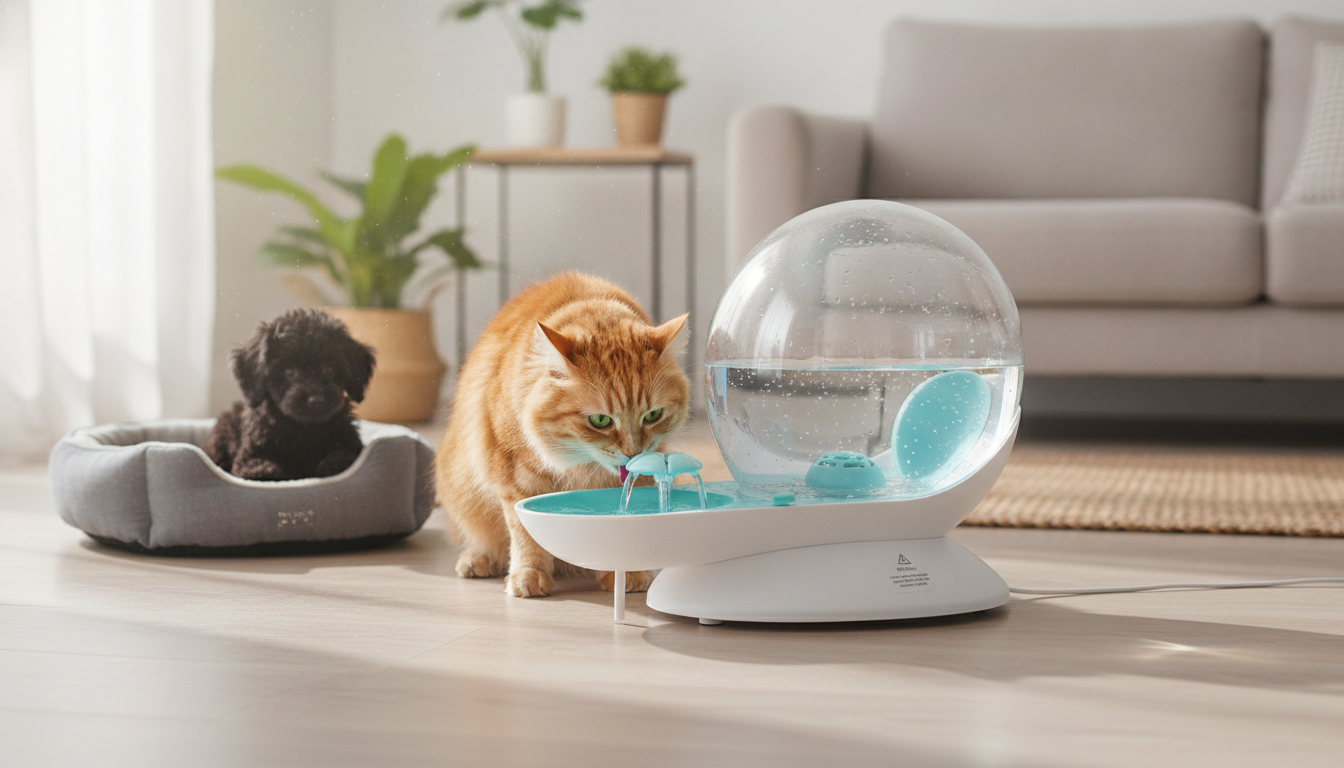
Automatic Pet Water Fountain: Cleaner Water, Better Hydration, Less Hassle
Fresh, moving water can encourage many pets to drink more while also helping keep bowls cleaner between refills. An automatic pet water fountain pairs a reservoir with circulation and filtration so water stays more appealing, with fewer daily top-ups. This guide breaks down how these fountains work, what matters most for cats and dogs, and how to keep one running quietly and hygienically.
General hydration needs vary by pet size, diet, and activity level, but consistent access to clean water is a baseline of everyday wellness. For broader guidance, the American Veterinary Medical Association (AVMA) and Cornell University College of Veterinary Medicine offer helpful resources on pet health and hydration.
Why a circulating fountain can help pets drink more
Some pets treat water like a “freshness test.” If it looks, sounds, or smells stale, they may take fewer sips than they should—especially cats, which often prefer running water.
- Movement can be more enticing: Flowing water provides visual and sound cues that can attract curious cats and encourage routine drinking.
- Less stagnation between refills: Circulation helps keep the surface from sitting still all day, which can slow that “old bowl” feeling and reduce the chance of debris settling unnoticed.
- A bigger water reserve: A reservoir holds more than a typical dish, which can be useful for multi-pet homes, busy workweeks, or short trips.
- Supports multi-station hydration: Many pets do best when water is available in more than one location; a fountain can serve as a main station while a simple bowl remains elsewhere.
How an automatic pet water fountain works
Most fountains share the same basic mechanics: store a larger amount of water, keep it moving, and run it through filtration so each sip tastes cleaner.
- Reservoir: Holds a larger volume than a standard bowl; water is drawn through an intake to the pump.
- Pump and circulation loop: The pump pushes water up to a spout, stream, or bubbler, and it returns to the basin to repeat the cycle.
- Filtration: Common setups include foam (for hair and larger debris) and carbon (to help reduce odors and off-tastes from impurities).
- Power and placement: USB or wall adapters are typical; keep cords away from chewing zones and position the unit where splashes won’t reach outlets.
- Convenience features: Some models include low-water indicators or filter reminders, but a quick daily glance at water level and flow is usually enough.
Bowl vs. fountain: quick comparison
| Feature | Standard bowl | Automatic fountain |
|---|---|---|
| Water movement | Still | Circulating stream or bubbling flow |
| Refill frequency | Often daily | Less frequent with larger reservoir |
| Debris control | Hair/dust settles in bowl | Filter and circulation help capture debris |
| Maintenance | Wash bowl regularly | Wash parts + replace filters on schedule |
| Best for | Simple setups, travel, short absences | Homes wanting fresher-tasting water and fewer refills |
What matters most when choosing a fountain
The best fountain is the one your pet will actually use—and that you’ll find easy to maintain. These factors typically make the biggest day-to-day difference:
- Capacity: Match reservoir size to the number of pets and your refill routine. Larger tanks are helpful for weekends and multi-pet households.
- Noise level: A well-seated pump plus an adequate water level keeps things quiet. Low water is the most common reason fountains start to rattle.
- Filtration: Confirm filter type and replacement availability. Pre-filters are great for hair; carbon filters can help with taste and odor.
- Ease of cleaning: Fewer tight corners, removable pump components, and dishwasher-safe parts (when available) make upkeep more realistic.
- Materials: Stainless steel and BPA-free plastic are common. Choices often come down to durability, hygiene preferences, and pet sensitivities.
- Spill resistance: A wide base, non-slip feet, and a protected reservoir opening reduce tipping and sloshing.
- Pet preferences: Some cats like a gentle trickle; some dogs prefer a broader, quieter flow. Adjustable flow is a strong plus.
Featured option: 2.8L Automatic Pet Water Fountain
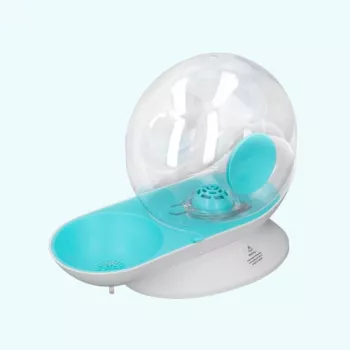
If the goal is fresher water with fewer refills, a mid-to-large reservoir is a practical sweet spot. The 2.8L Automatic Pet Water Fountain is designed to support daily hydration with a larger water supply and steady circulation.
At-a-glance details
| Item | Details |
|---|---|
| Product | 2.8L Automatic Pet Water Fountain |
| Capacity | 2.8L |
| Price | 47.01 USD |
| Availability | In stock |
| Best for | Cats and dogs needing a consistent fresh-water source |
If you’re also refreshing your pet’s travel setup, the Sturdy Car Dog Hammock With Side Flaps can help protect seats and make car rides easier to clean—especially useful for outdoor adventures where extra water breaks are part of the routine.
Setup tips for smoother, quieter operation
Cleaning and filter schedule that keeps water appealing
FAQ
How often should a pet water fountain be cleaned?
Do a quick daily top-up and check the flow, wash the basin and surfaces weekly, and fully disassemble/clean the pump about once a month. If you have multiple pets, heavy shedding, or hard water, you may need to clean and replace filters more often.
Is it safe to leave a pet water fountain running all day?
Most fountains are designed for continuous use as long as the water level stays high enough to protect the pump. Use the intended power adapter, keep cords out of reach, and place the unit where splashing won’t reach outlets.
Why is my fountain getting noisy?
The most common causes are low water, a pump that isn’t seated correctly, debris in the impeller area, or mineral buildup from hard water. Topping up, reseating the pump, and cleaning/descaling the pump components usually restores quiet operation.









Leave a comment