Best Meditations for Sleep: 5 Calm Practices to Try

What are the best meditations for sleep?
The best meditations for sleep are the ones that lower physical tension, quiet racing thoughts, and guide attention away from problem-solving. For many people, that means short, structured practices you can repeat nightly—especially when paired with dim lights, a cool room, and a consistent bedtime.
1) Body scan meditation
A body scan is one of the most reliable choices for drifting off because it systematically relaxes muscles from head to toe. Start by noticing your breath, then move attention through the body—jaw, shoulders, chest, belly, hips, legs—softening each area on the exhale. If the mind wanders, gently return to the next body part.
2) Guided sleep meditation
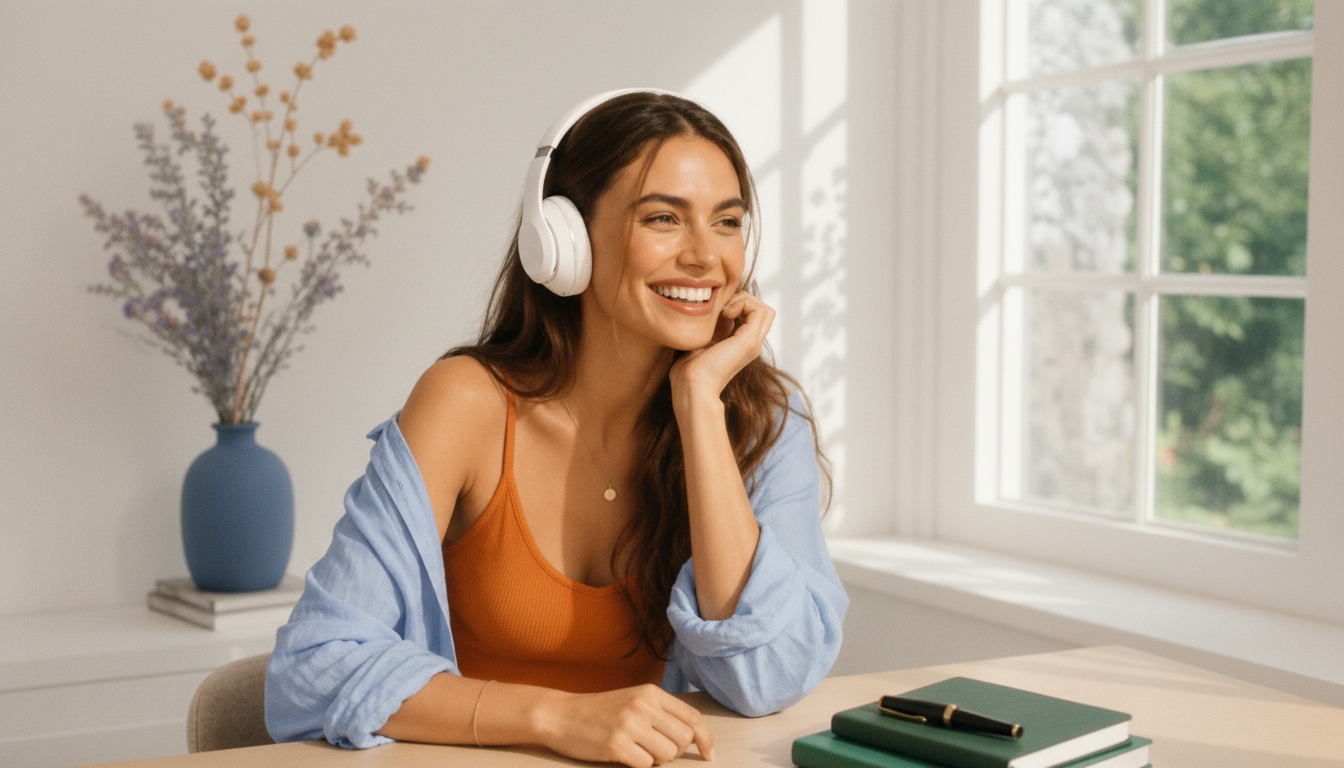
Guided tracks work well when you feel too wired to meditate “on your own.” A calm voice provides step-by-step direction—often combining breathing, relaxation cues, and soothing imagery—so your attention has something simple to follow until you fall asleep.
3) Breathing meditations (4-7-8 or box breathing)
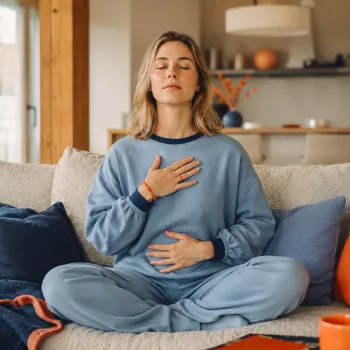
Breath-focused techniques help slow the nervous system. Try 4-7-8 breathing (inhale 4, hold 7, exhale 8) or box breathing (4-4-4-4). Keep it gentle; if you feel lightheaded, shorten the counts and breathe normally.
4) Visualization or “safe place” meditation
Visualization is ideal for anxious nights. Picture a peaceful scene with sensory details—temperature, sounds, textures—and let your mind “rest” there. The goal isn’t perfect imagery; it’s shifting attention away from worries.
5) Loving-kindness (metta) for nighttime rumination
If stress about relationships or the day’s events keeps looping, metta can soften that mental edge. Silently repeat phrases like “May I be safe. May I be at ease. May I sleep well,” then extend the same wishes to others.
For a deeper breakdown and practical tips for choosing the right style, read the full guide here: https://epicbuyshowcase.shop/what-are-the-best-meditations-for-sleep/.
FAQ
How long should a sleep meditation be?
Most people do well with 5–20 minutes. If you tend to wake up easily, choose a shorter practice; if you struggle to settle down, try 15–30 minutes of guided relaxation.









Leave a comment