Owleys Tailgate Car Dog Ramp: Safer Vehicle Loading
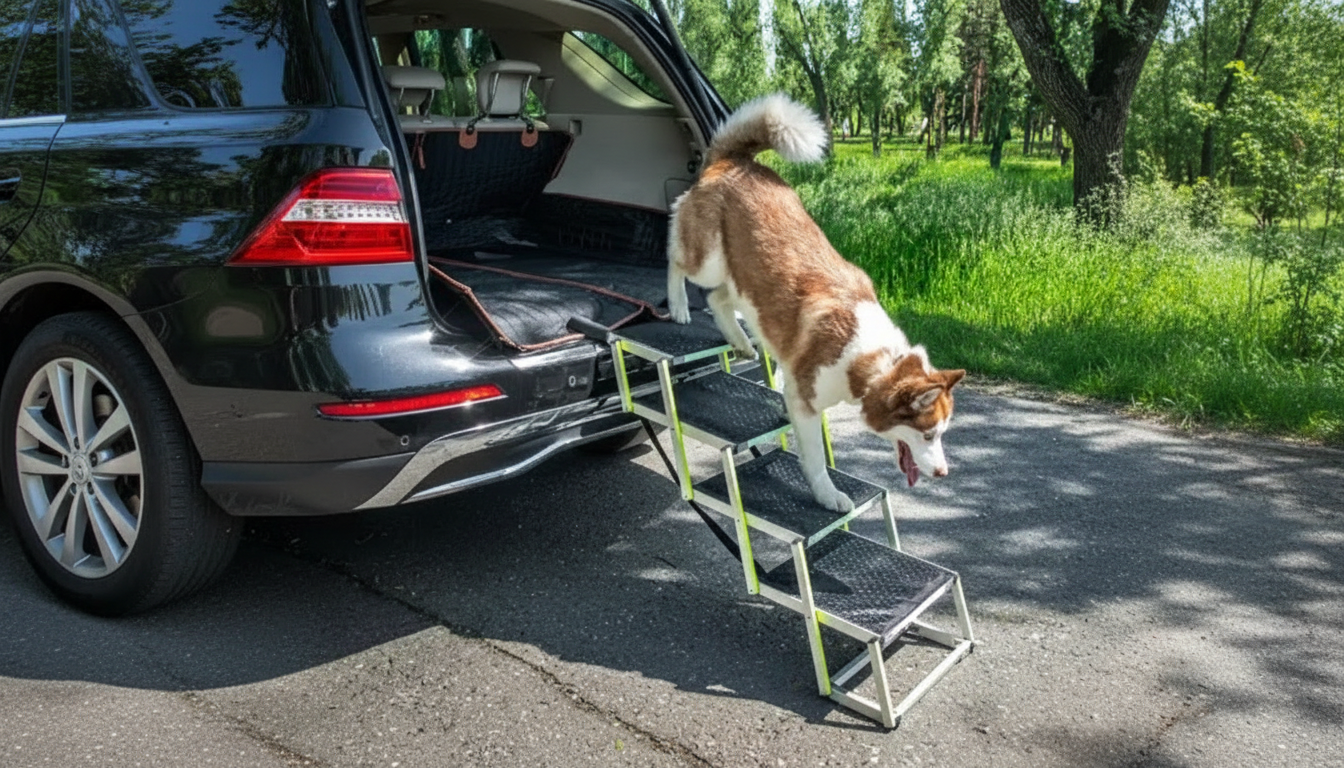
Car Dog Ramp “Tailgate” by Owleys: Safer Loading for Cars, SUVs, and Tailgates
Jumping in and out of a vehicle can strain joints, trigger slips on wet bumpers, and make trips stressful for dogs that are senior, recovering, small, or simply cautious. A dedicated ramp creates a steady path to the seat or cargo area, helping protect hips, knees, and backs while keeping loading calmer and more predictable.
Why a vehicle ramp matters for everyday trips
Even if a dog looks athletic, repeated jumping can add up—especially when the landing surface is hard or the takeoff point is awkward. A ramp helps reduce impact compared with frequent leaps, and it can be a practical solution for dogs with arthritis, an IVDD history, or post-surgery recovery needs.
Beyond joint comfort, ramps are useful in real-world conditions: rainy days, snowy parking lots, and slick bumper plastics all increase the chance of slipping. A stable, grippy surface also helps owners who can’t safely lift heavier dogs, and it builds confidence for dogs that hesitate at sudden height changes or unstable footing. For background on mobility concerns, see AAHA guidance on arthritis in dogs and the ACVS overview of intervertebral disc disease (IVDD).
What the Owleys “Tailgate” ramp is designed to solve
The Car Dog Ramp “Tailgate” by Owleys is meant to create a stable, guided route from the ground to your vehicle opening—rear hatch, tailgate, or a side door depending on your setup. Instead of a sudden jump, your dog gets a predictable path that supports safer entry and exit when steep steps feel daunting.
For frequent errands and travel routines, a ramp is most helpful when it’s easy to integrate: park, set the ramp, load your dog, stow the ramp, and go. This style of setup is especially handy for road trips, vet visits, hikes, and any day with repeated in-and-out movement.
Vehicle and dog fit: a quick compatibility checklist
Before choosing a ramp setup, confirm the basics:
- Measure the loading height (ground to cargo lip or seat edge) on your usual parking surface.
- Consider ramp angle: higher vehicles generally need a longer, less steep ramp.
- Check the landing area behind the vehicle so the ramp can sit safely without blocking traffic or resting on uneven ground.
- Match traction needs for wet paws, long coats, and smooth pads that can slide.
- Confirm your dog’s comfort: many dogs do better with a wider walking surface and a sense of side guidance.
- Plan for handling and storage so the person using it most can carry, deploy, and stow it comfortably.
Ramp fit guide for common situations
| Scenario | What to check | Why it matters | Practical tip |
|---|---|---|---|
| Sedan or low crossover | Seat/cargo height and door opening clearance | A steep setup can still strain joints if the ramp is too short | Load at the lowest point available (often the rear) if space allows |
| SUV with higher cargo lip | Angle, ramp length, and stability on uneven ground | Steeper angles raise slip risk and hesitation | Park on flat ground and avoid curbs when training |
| Pickup tailgate | Tailgate height and ramp placement surface | Tailgates are often higher and can create a challenging angle | Use a consistent command and slow pace on ascent and descent |
| Senior or rehab dog | Traction, width, and confidence on the surface | Unsteady footing can lead to setbacks or refusal | Use a harness and keep sessions short and positive |
| Large breed dog | Weight support and ease of guiding | Stability is crucial when a heavier dog shifts weight mid-step | Guide with a short leash and reward calm steps |
How to set up the ramp safely (tailgate, hatchback, or side entry)
- Choose the safest entry point. Rear cargo access often offers the most room and predictable height.
- Place the ramp on stable ground and avoid loose gravel, ice patches, or steep driveways when possible.
- Secure the top contact point so it won’t slide when your dog steps on and off.
- Keep the walking surface clean and dry; wipe off mud and sand so traction stays consistent.
- Use a harness for better control during early practice; keep the leash short but not tight.
- Stand to the side of the ramp rather than directly behind your dog to reduce pressure and crowding.
Training a dog to use a ramp without stress
Care, storage, and travel readiness
Helpful add-ons for cleaner, calmer rides
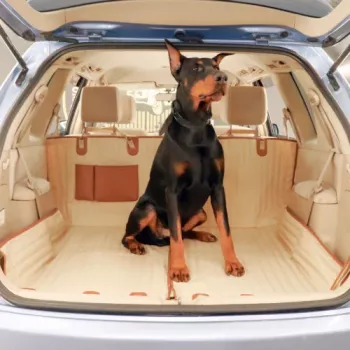
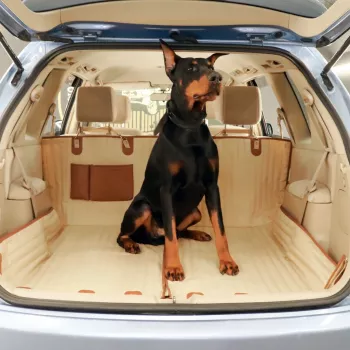
Ramps handle the transition; protective accessories keep the vehicle easier to maintain. Pairing a ramp with seat and door protection can reduce scratches, fur buildup, and muddy cleanup. For back-seat travel, a full-coverage hammock creates a more stable space and helps contain shedding—see the Sturdy Car Dog Hammock With Side Flaps.
For dogs that rush transitions, a harness and short tether can slow the pace at the top of the ramp and reduce sudden lunges into the cabin. For broader mobility support options (including joint health strategies), the AKC has a useful overview of joint supplements and mobility support.
When to choose a ramp vs. steps vs. lifting
FAQ
Is a car ramp better than stairs for senior dogs?
Often, yes—ramps reduce high stepping and can be gentler on hips and knees. The best choice depends on your dog’s balance, gait, and confidence, and a vet can advise based on specific conditions.
How steep should a dog ramp be for a vehicle?
Keep the slope as gentle as practical for your vehicle’s height and your available space. Measuring the loading height and parking on level ground helps avoid a steep angle, which is especially important for large breeds and dogs with mobility limitations.
How do you train a dog that’s afraid of the ramp?
Start with the ramp flat on the ground, reward calm investigation and a few steps, then slowly increase height over multiple short sessions. Avoid forcing; practice both climbing and descending separately, and use a harness for safe guidance while confidence builds.








Leave a comment